
Headache relief is possible through massage as an alternative to medications. If your head is pounding by lunchtime and your neck feels like it’s wearing a concrete collar, you are not alone. Desk work, study marathons, heavy training blocks, and even Austin’s spring allergy surge can all add up to tension and trigger-point headaches.
I’m Rick Snider, LMT (Texas License MT144610), owner of Howdy Massage in central Austin. I help clients ease muscle-related headaches with a careful blend of deep tissue, trigger point therapy, and myofascial release (MFR). I do not diagnose medical conditions, but I can help sort out when massage may be a good fit, what you can expect on the table, and how to care for yourself between sessions.
If you are wondering whether massage can help your kind of headache, or whether the work will feel intense but safe, this guide is for you.
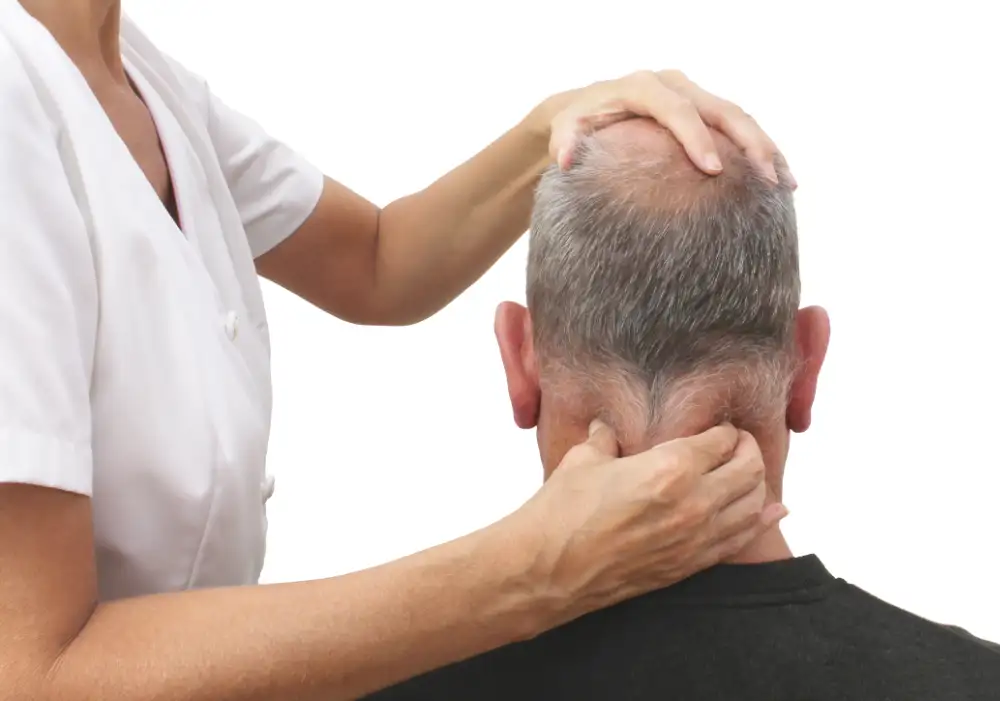
Common massage techniques for headache relief
Not all headaches behave the same. Here are three common types I see in the studio that often respond well to hands-on work:
- Tension headaches: These feel like a tight band around the head. Often linked to postural strain, stress, teeth clenching, and tight muscles in the neck, upper back, and jaw. Trigger points in the traps, suboccipitals, and sternocleidomastoids frequently refer pain into the head.
- Cervicogenic headaches: Pain starts in the neck and refers to the head, typically on one side. These often involve joint and soft tissue restrictions in the upper cervical region and can improve when the surrounding muscles and fascia move better.
- TMJ-related headaches: If you clench, grind, or chew through work stress, muscles of mastication and related neck muscles can irritate nerves and trigger head pain. Gentle, precise work for the jaw and neck can ease pressure.
Migraine is different. Some clients notice fewer or less intense migraines when neck and jaw tension are managed, but migraine has neurological and vascular components that are beyond massage alone. If you are unsure what you are dealing with, ask your doctor or bring your diagnosis to your session so I can tailor the approach safely.
When massage can help, and when to see a doctor
Massage often helps when your headache is linked to muscle tension, trigger points, posture strain, overuse, or jaw clenching. If your pain reliably eases when your neck and shoulders relax, you are probably a good candidate.
Red flags that need medical care first:
- A new, severe, or “worst-ever” headache
- Headache after a head injury
- Fever, stiff neck, rash, confusion, slurred speech, or weakness
- A sudden change in your usual headache pattern
- Headaches triggered by exertion with visual or neurological symptoms
If any of these apply, seek medical evaluation. Once cleared, massage can be part of your ongoing management plan.
How I use deep tissue, trigger points, and MFR for headache relief
My approach is slow, specific, and consent-driven. I warm tissues first, then add depth only to a comfortable 7 on a 1 to 10 scale, with brief visits to 8 if helpful. No breath-stealing pain, no heroics.
- Neck and suboccipitals: These tiny muscles under the skull often hold the key to band-like or behind-the-eye headaches. I apply gentle traction, pin-and-stretch, and trigger point release, allowing the head to subtly nod while tissues soften.
- Trapezius and levator scapulae: Desk posture and training load can load these muscles. I use deep tissue strokes along muscle fibers, then hold sustained pressure on active trigger points until the tissue “melts” and referred pain quiets down.
- Scalenes and sternocleidomastoid: These can refer pain to the face and temples. I work with careful, lighter-depth techniques here due to sensitive structures, keeping communication high.
- Jaw and TMJ-adjacent work: Without going inside the mouth, I can release masseter and temporalis, plus neck and chest contributors that feed jaw tension. The goal is to reduce clenching habits and the headache chain reaction.
- Myofascial release (MFR): I add slow, sustained fascial holds along the neck, chest, and upper back to reduce drag on the cervical spine and improve head posture.
For a full, unrushed circuit that includes neck, shoulders, upper back, chest, and jaw, I recommend 90 minutes or more. In 60 minutes, we focus on the biggest culprits that day.
If this sounds like what you need and you are looking for deep tissue massage in Austin, you can learn more about my approach as a deep tissue massage therapist on the Howdy Massage site.
Intensity vs pain, and what to expect after
Deep tissue done well feels purposeful, not punishing. Expect strong but breathable pressure. If you brace, hold your breath, or feel sharp pain, I will back off, change angle, or slow down. Post-session, mild soreness can happen for a day, like a good workout. Hydrate, move gently, and sleep well. If anything feels off, reach out and I will advise simple home strategies or adjustments for your next visit.
Self-care between sessions to extend headache relief
A few simple habits help extend your relief:
- Hydration: Muscles and fascia slide better when you’re not running on coffee alone. Add water, especially during Austin’s spring allergy season when antihistamines and dry air can leave you parched.
- Micro-breaks: Every 30 to 45 minutes, un-hunch. Gently retract your chin, roll your shoulders, and look far away for 20 seconds to reset eye and neck strain.
- Gentle stretches: Slow side bends, chin tucks, and doorway pectoral stretches reduce the tug on your neck. For the jaw, practice relaxed nasal breathing and a soft-tongue posture against the palate. Harvard Medical School offers stretching advice in this article.
- Sleep support: A slim pillow that keeps your neck neutral can lower morning headaches.
Austin is beautiful in spring, but pollen can stack the deck. If allergies flare, keep nasal rinses and hydration handy, and be aware you might need extra neck and jaw care when your sinuses are cranky.
Who it is for, and who should avoid deep tissue today
Most desk workers, students, lifters, runners, and cyclists with tension or trigger-point headaches do well with careful deep tissue and MFR. I will always adapt pressure and pacing.
Postpone or seek clearance first if you have a new or unstable medical condition, acute infection, fever, uncontrolled high blood pressure, a recent concussion, skin infections in the treatment area, active nerve compression with red-flag symptoms, or you are pregnant and have not yet discussed massage with your provider. If you are on blood thinners or have osteoporosis, I adjust pressure and technique to stay safe.
Booking in Austin
If you are ready for targeted, professional care, you can explore options for deep tissue massage in Austin TX or an Austin deep massage session that blends techniques to fit your goals. Athletes can also review how sports massage supports recovery when training loads spike.
- Learn more or book: howdymassage.com
- Studio: 3624 North Hills Drive, Ste D209, Austin, TX 78731
- Mobile massage available in Austin for table-based sessions at home, office, or hotel
- Contact: (512) 648-6444 or rick@howdymassage.com
New clients can check the booking page for current specials and package discounts.
Quick FAQ
- Can deep tissue massage help with headaches? Yes, when headaches are driven by muscle tension or trigger points in the neck, shoulders, suboccipitals, or jaw. It typically reduces frequency or intensity rather than “curing” the problem in one visit.
- What type of headache goes away with massage? Tension, cervicogenic, and TMJ-related headaches often ease with skilled manual therapy. Migraines are more complex, but some clients report improvement when neck and jaw tension are managed.
- What are the 5 C’s of headaches? In clinical teaching, red flags are sometimes summarized differently by different sources. As a safety mindset in massage, I look for changes in pattern, concurrent fever or neurological signs, consequences of trauma, clot or stroke risk factors, and concerning new severity. If any red flags show, I refer to a physician.
- Does deep tissue massage reduce inflammation? Massage can improve circulation and downshift the nervous system, which is associated with reduced inflammatory markers in some studies. Results vary by person and condition.
- Do deep tissue massages get rid of knots? They often release trigger points and soften adhesions. Some patterns need a few sessions plus home care to retrain posture and reduce recurrence.
- Who should not get a deep tissue massage? Avoid or seek medical clearance if you have acute illness or fever, a recent serious injury, uncontrolled hypertension, active skin infection, a new unexplained severe headache, or other red flags. I always adjust techniques for medications like blood thinners or conditions like osteoporosis.
Summary and next step
Headaches tied to tight necks, sore traps, and a clenched jaw are common in Austin’s work-hard, play-hard rhythm, especially during allergy season. With careful deep tissue, precise trigger point release, and patient myofascial work, we can reduce the muscle-driven load on your head and help you feel clear and mobile again. If you are ready for thoughtful, results-focused care, book a deep tissue or orthopedic session and let’s make your next week feel a whole lot lighter.